
In a groundbreaking 7-2 Decision in Monsanto v. Durnell, the United States Supreme Court has delivered a massive blow to RoundUp Victims by holding that Failure to Warn claims are preempted by Federal Law.
This is a huge win for Monsanto and Bayer, the manufacturer of the weed killer RoundUp, and a devastating loss for thousands of Plaintiffs in State Court lawsuits claiming that the manufacturer should be liable for failing to warn that RoundUp causes cancer.
What is Preemption?
Preemption is a constitutional doctrine that provides that federal law overrides conflicting State law. It comes from the Supremacy Clause, which says that federal law is the “supreme law of the land” and when Congress acts within its Constitutional authority, States cannot enforce laws that conflict with federal law.
How Did Preemption Apply in the Monsanto v. Durnell RoundUp Case?
Under the authority granted by the Federal Insecticide, Fungicide, and Rodenticide Act (FIFRA), the Environmental Protection Agency (EPA) regulates pesticides and pesticide labels.
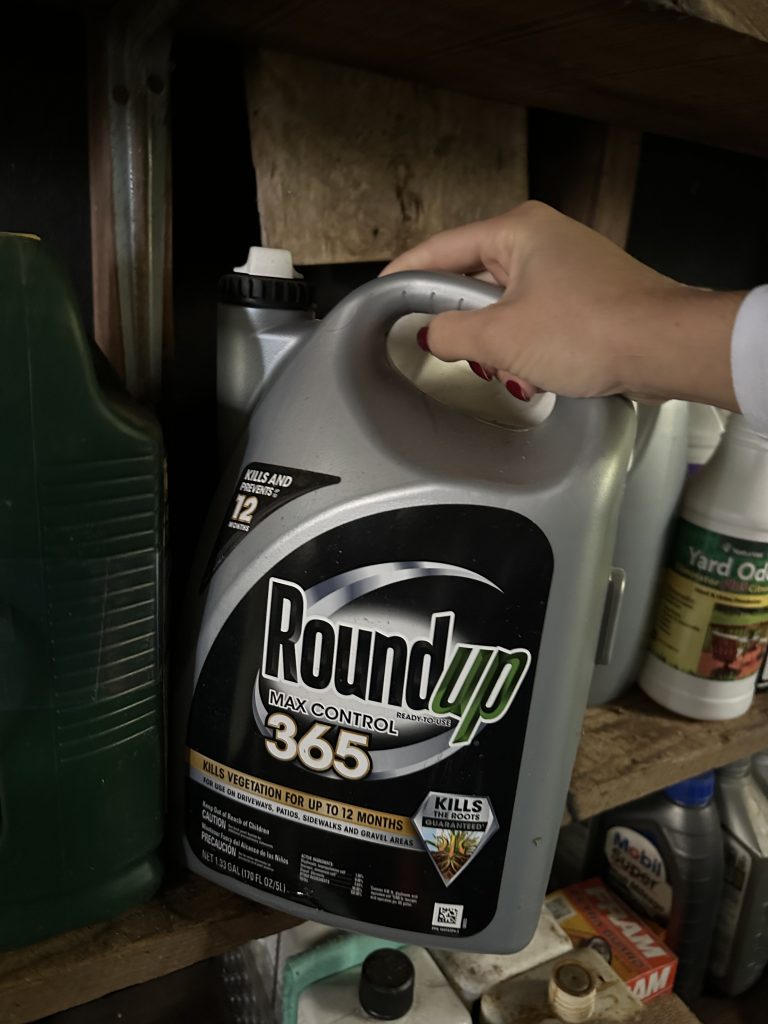
The EPA regulates RoundUp, a glyphosate-based pesticide manufactured by Monsanto. Because the EPA has repeatedly concluded that glyphosate is unlikely to cause cancer, it has not required a cancer warning label. EPA regulations required Monsanto to used the EPA-approved label unless or until the EPA approves or requires a different label.
Then, crucially for this case, FIFRA included a Preemption clause titled “Uniformity” that prohibits States from imposing any requirements for labeling or packaging in addition to or different from those required under FIFRA.
Given the requirements of FIFRA and the Preemptive effect of the “Uniformity” provision, the Supreme Court held that it was impermissible for Durnell to claim in Missouri State Court that Monsanto was liable under a Failure to Warn theory for failing to change the label to add a cancer warning.
Simply stated, because the EPA approved a label without a cancer warning, any argument that there should be a cancer warning would be an argument for an “additional” or “different” warning which is not permitted under the “Uniformity” provision.
What Was Darnell’s Argument?
Durnell had argued that many appellate courts had rejected the Preemption argument and the Supreme Court should have followed suit.
Durnell argued that Monsanto had violated FIFRA by misbranding RoundUp by failing to warn when many studies concluded that glyphosate causes cancer. Durnell alleged that Monsanto could have and should have proposed new labeling or stopped the sale of RoundUp because of its cancer hazard.
What’s Next in the RoundUp Litigation?
This decision has just been released so both sides of the RoundUp litigation are assessing its impact.
Clearly this was a huge win for Monsanto and Bayer and a huge loss for the Plaintiffs.
The United States Supreme Court is the highest court in the country and its decisions are binding and final. That being the case, it appears that State claims that the Failure to Warn of cancer on RoundUp’s label are no longer viable.
Stay tuned to see what happens next in the RoundUp Litigation.

Subtitle for This Block
Title for This Block
Text for This Block